
The Truth Behind Body Features and Health: Myths vs. Reality
In the digital age, myths about the human body spread faster than facts. One of the most persistent misconceptions is the belief that certain physical features—especially breast size—reveal hidden truths about a woman’s health, fertility, or sexual characteristics.
These assumptions are widely shared online and in popular culture, yet most have no scientific foundation. Let’s separate myth from reality using evidence-based knowledge.
Do Larger Breasts Indicate Better Health?
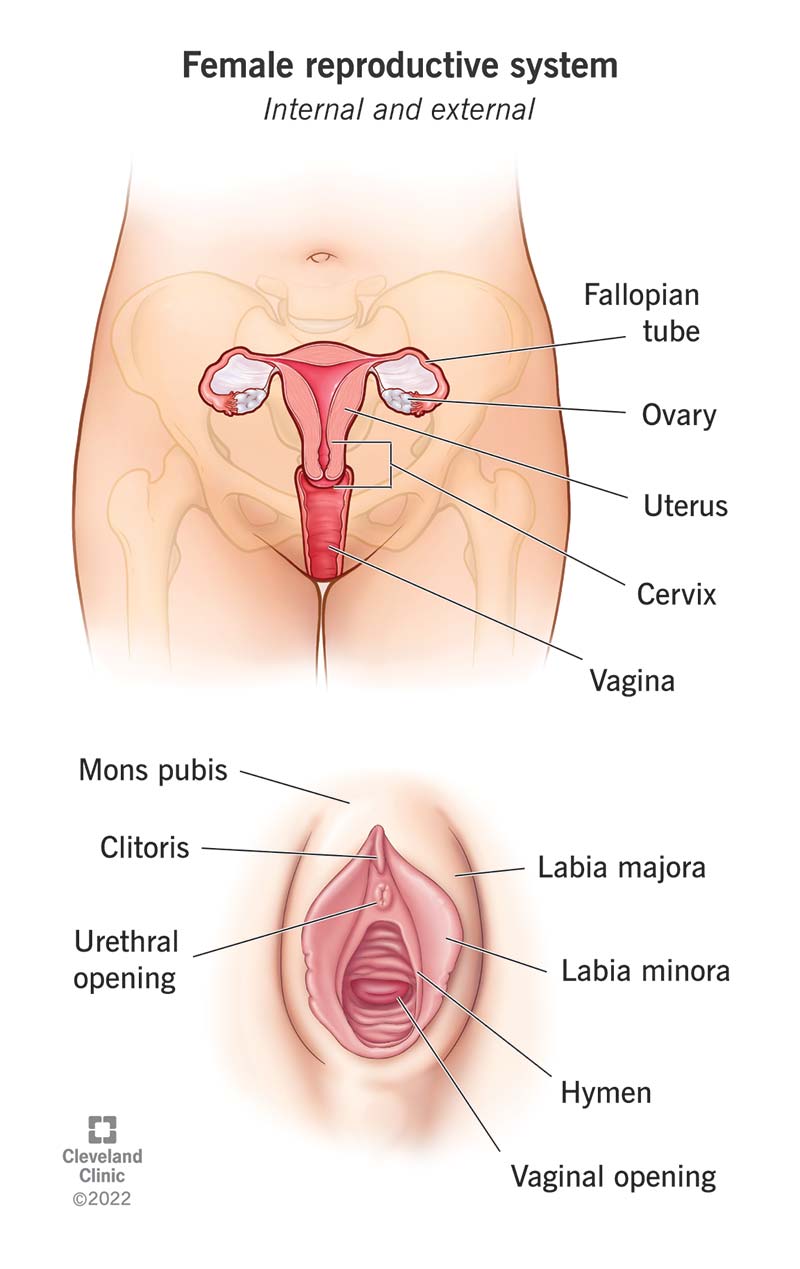
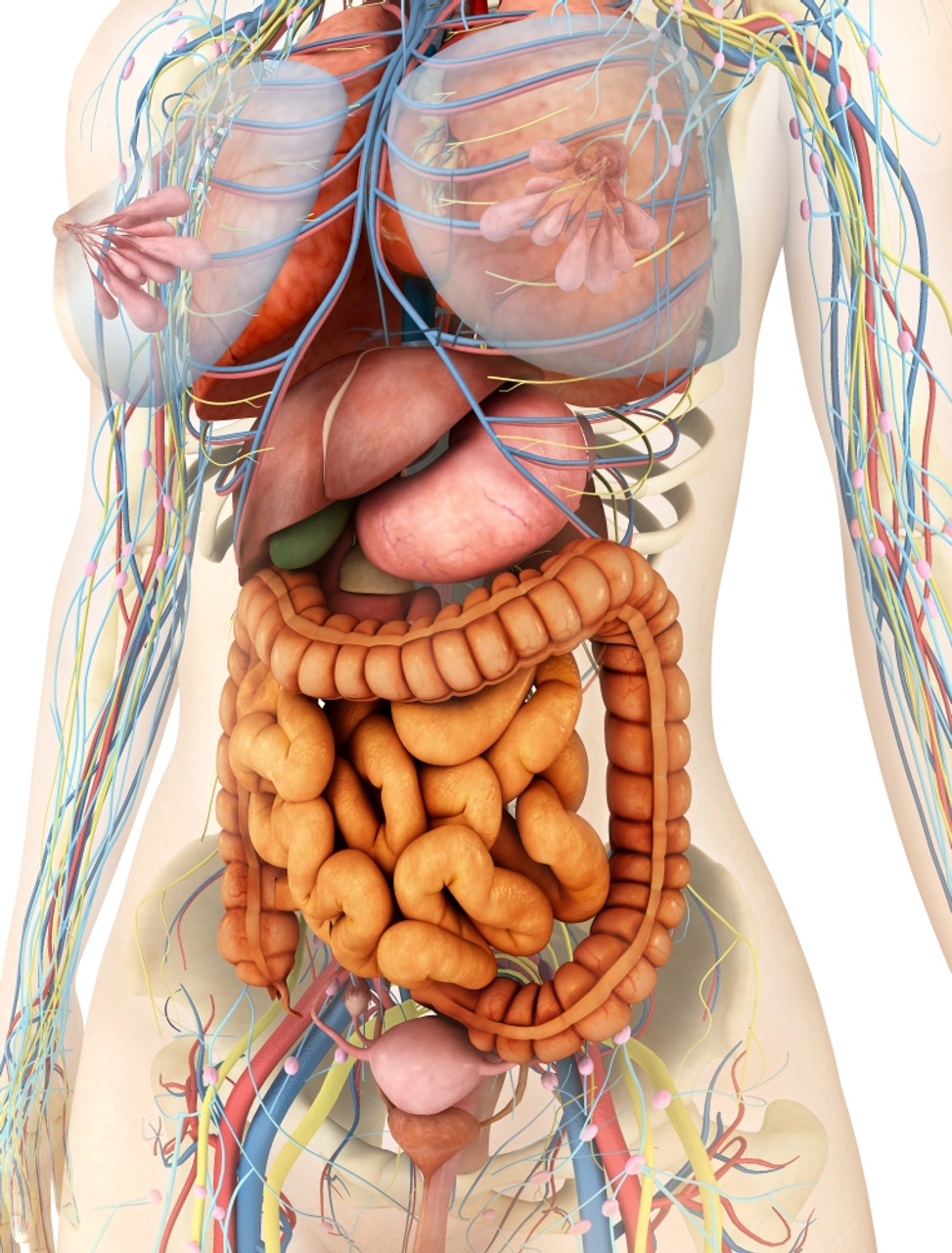
A common belief is that larger breasts indicate higher estrogen levels and therefore better reproductive health. While hormones do influence breast development, breast size alone does not reflect overall health or hormonal balance.
Breast size is mainly influenced by:
-
Genetics
-
Natural hormone changes during puberty and pregnancy
-
Body fat distribution
-
Lifestyle and nutrition
None of these factors provide reliable information about internal health, fertility, or sexual function.
Does Breast Size Affect Fertility?
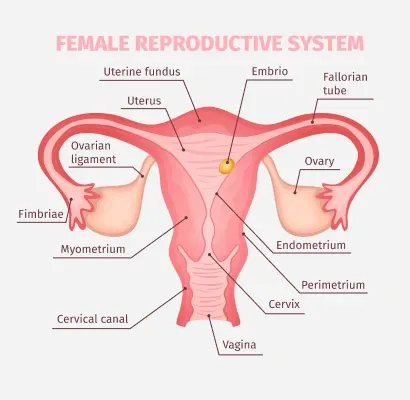
Another widespread myth is that breast size is a sign of fertility. Scientifically, this claim is false.
Fertility depends on:
-
Regular menstrual cycles
-
Healthy hormone regulation
-
Proper ovarian and uterine function
-
Overall physical and mental well-being
Women of all body types—regardless of breast size—can have healthy or unhealthy reproductive systems. Research shows that perceived links between breast size and fertility are cultural beliefs, not biological facts.
Is Breast Size Linked to Sexual or Vaginal Health?
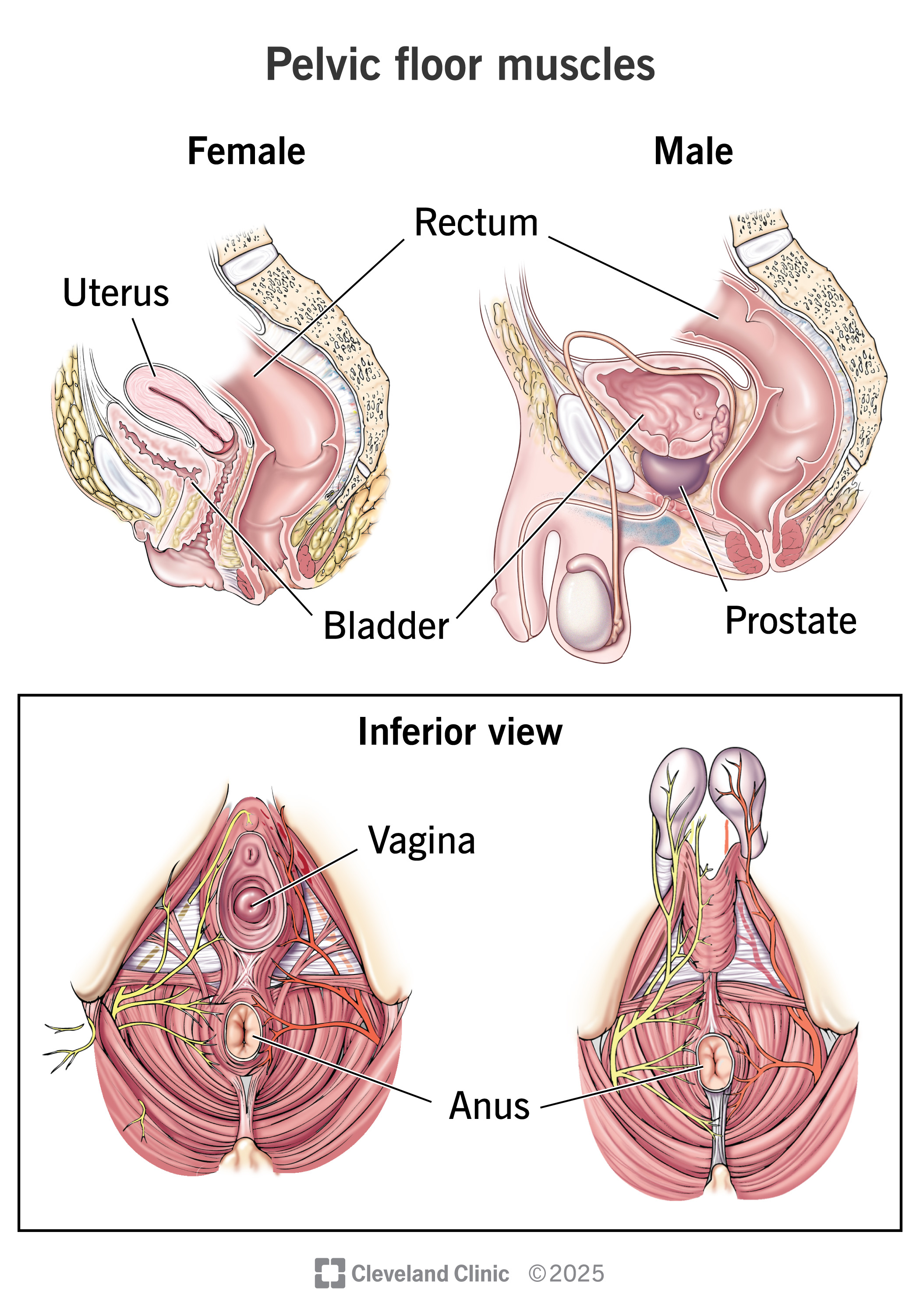

The idea that breast size is connected to vaginal tightness, elasticity, or sexual experience is completely untrue.
Vaginal health is influenced by:
-
Genetics
-
Pelvic floor muscle strength
-
Childbirth history
-
Hormonal changes
-
Hygiene and lifestyle
There is no anatomical or medical connection between breast size and vaginal structure or function.
Why Do These Myths Continue to Exist?

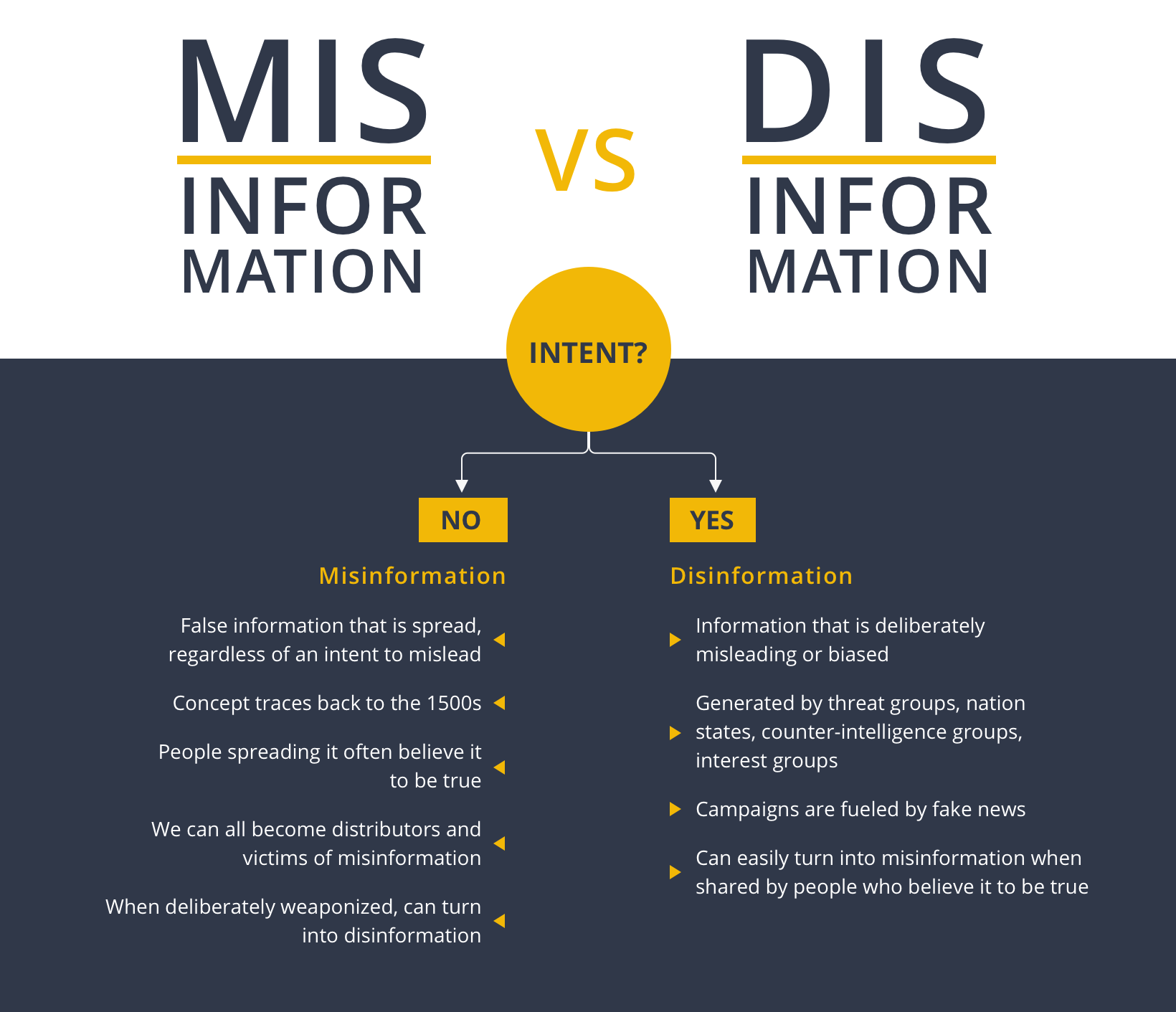
Despite modern science, these myths persist for several reasons:
-
Cultural traditions that link appearance to fertility
-
Media stereotypes promoted through movies and social platforms
-
Psychological bias, where physical traits are mistaken for biological indicators
-
Lack of accurate education about human anatomy and health
When misinformation is repeated often, it begins to feel true—even when it is not.
What Truly Matters for Women’s Health


Real health is not determined by body shape. It depends on daily habits and medical care, including:
-
Balanced nutrition
-
Regular physical activity
-
Adequate sleep
-
Stress management
-
Routine medical check-ups
These factors have proven effects on hormonal balance, reproductive health, and long-term well-being.
Conclusion: Facts Over Fiction
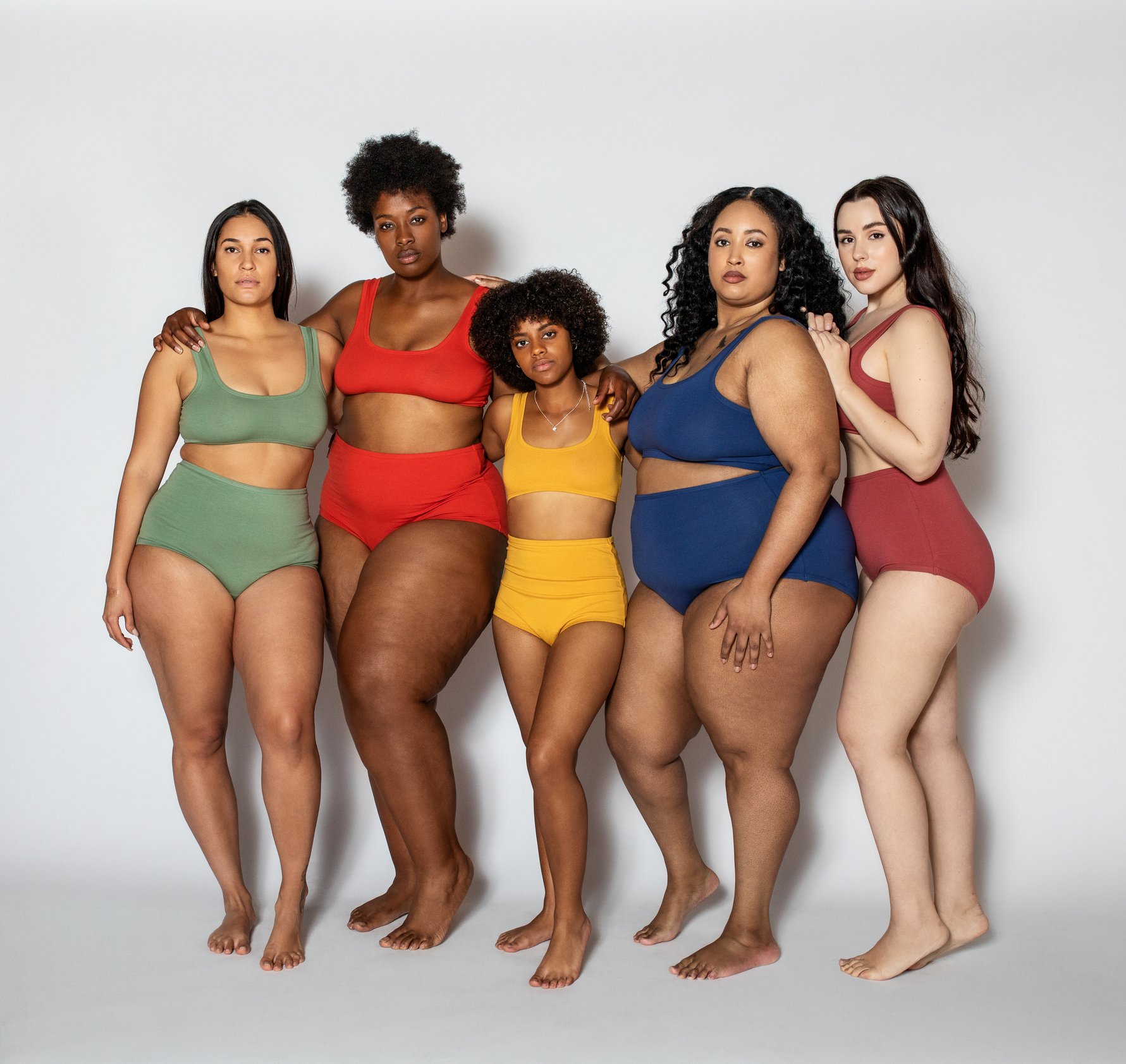

There is no scientific evidence that breast size reveals fertility, sexual health, or vaginal characteristics. Every woman’s body is biologically unique, and no single physical feature defines health or value.
Choosing science over myths helps promote body positivity, confidence, and informed health decisions. True well-being comes from knowledge, self-care, and respect for individual differences.
Health is not measured by appearance—it is built through understanding and care.